Travertine
Leave a message
Travertine: Nature's Timeless Canvas of Stone
Travertine, often poetically called "Travertine Limestone" or simply "洞石" (Dòngshí - "Hole Stone") in architectural circles, is far more than just a building material. It's a tangible record of Earth's patient artistry, a stone imbued with history, character, and enduring beauty. This sedimentary rock, born from mineral-rich springs and geothermal waters, stands as a unique testament to the interplay of geology, time, and human culture.
Modern Renaissance: Versatility Redefined
While deeply rooted in antiquity, travertine enjoys a vibrant contemporary life. Modern quarrying and finishing techniques have unlocked its full potential for diverse applications:
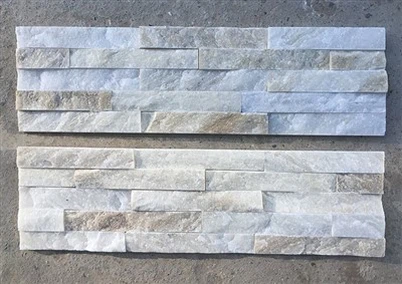
Flooring & Wall Cladding: Its natural texture provides excellent slip resistance and unparalleled visual warmth. Honed, filled, and sealed travertine creates elegant, sophisticated interiors (bathrooms, kitchens, living areas). Externally, its use in cladding evokes a sense of solidity and connection to nature.Travertine wall cladding JRD-068 Travertine Ledgestone Panel JRF-068
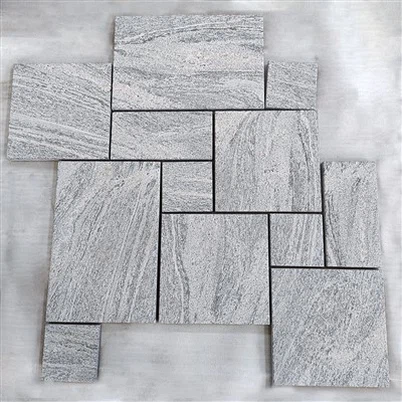
Paving & Pool Coping: Its textured surface is ideal for outdoor areas like patios, walkways, and pool decks, providing grip and a naturally weathered aesthetic that blends seamlessly with landscapes.Travertine paver JR-068
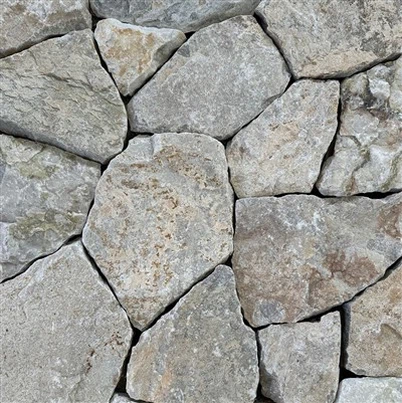
Decorative Elements: From fireplace surrounds and accent walls to intricate mosaics and sculptural pieces, travertine adds character and depth.Travertine Facing Brick Veneer JRST-068
Characteristics & Considerations
Aesthetic Appeal: Ranges from creamy whites and ivories to warm golds, walnuts, and even rich reds (like Turkish Red Travertine). The patterns – flowing veins, concentric rings around holes, fossil impressions – are unique to each slab.
Texture: Can be supplied in various finishes: polished (glossy, less hole emphasis), honed (satin-smooth, holes often filled), brushed (textured surface), tumbled (aged, rounded edges), or split-faced (rustic, natural cleft).
Durability & Porosity: While durable, its porosity is its defining characteristic and main consideration. It requires sealing upon installation and periodic re-sealing, especially in wet areas or outdoors, to prevent staining and moisture ingress. Its relative softness compared to granite means it can scratch or etch more easily from acidic substances.
Sustainability: As a natural stone, it is a sustainable resource when responsibly quarried. Its longevity means it doesn't need frequent replacement.
More than just "洞石" or "cultural stone," travertine is a living geology. It's a warm, tactile link to the Earth's history, capable of transforming a simple wall or floor into a canvas of natural art. It whispers of Roman emperors and bubbling springs, offering a timeless elegance that continues to captivate architects, designers, and homeowners seeking beauty with soul and substance. In a world of synthetic uniformity, travertine stands proudly as a unique and enduring gift from the depths of time.